
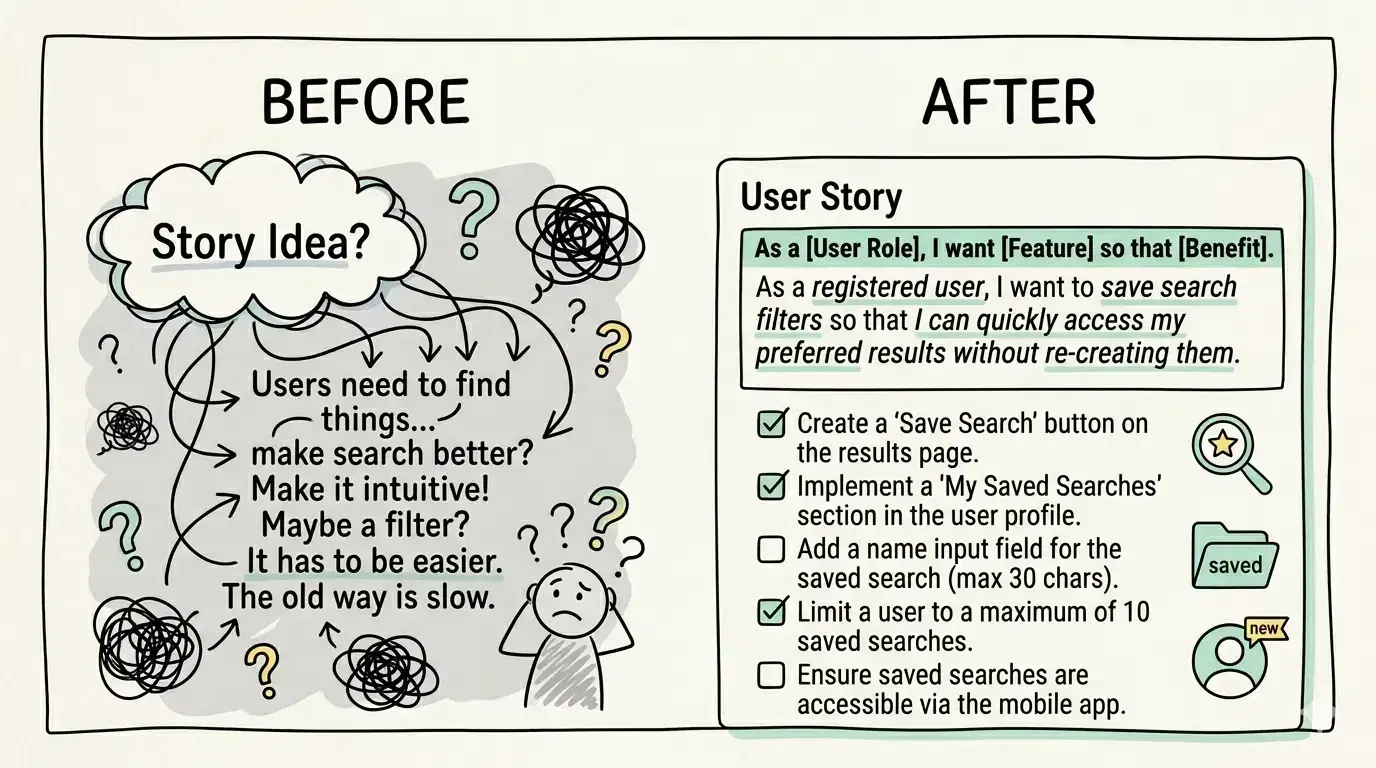
How to Use a Simple User Story Format Without Confusion
Learn a simple user story format that removes confusion and rework. Follow clear steps and write stories your team understands the first time.
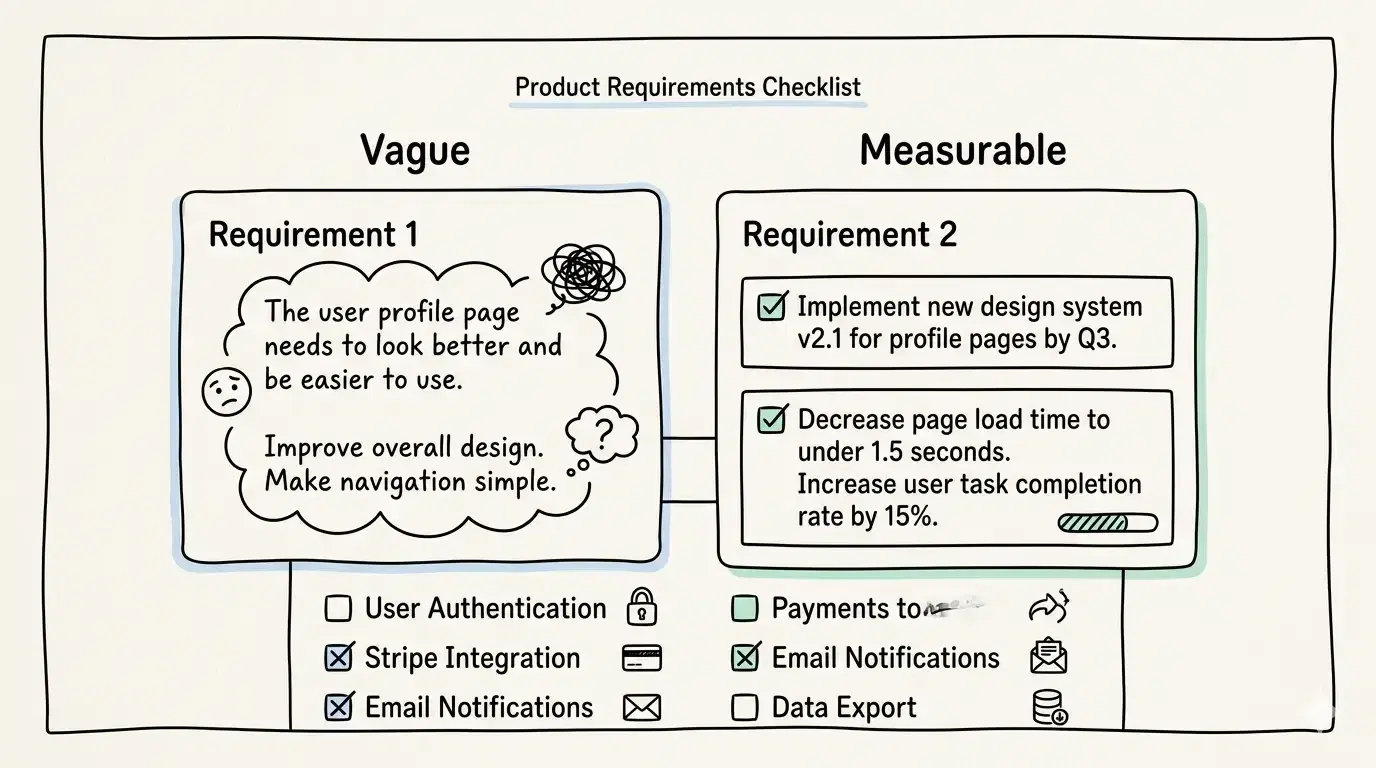
How to Write Non Functional Requirements That Can Be Tested
Learn how to write non functional requirements with simple examples and clear checks so teams build and test the same thing without confusion.
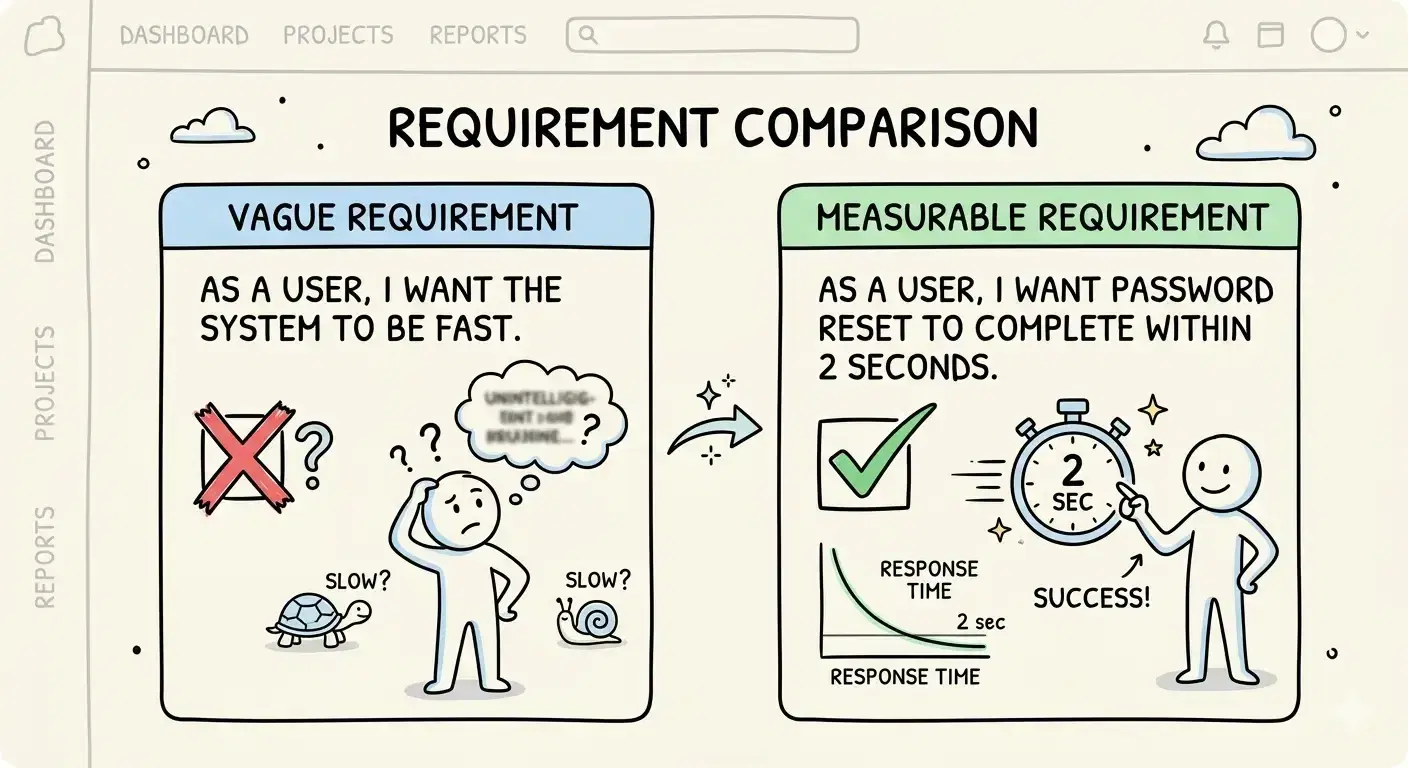
How to Use Functional Requirements and Non Functional Requirements in 2026
Learn how to use functional requirements and non functional requirements so teams build and test the same thing without confusion.
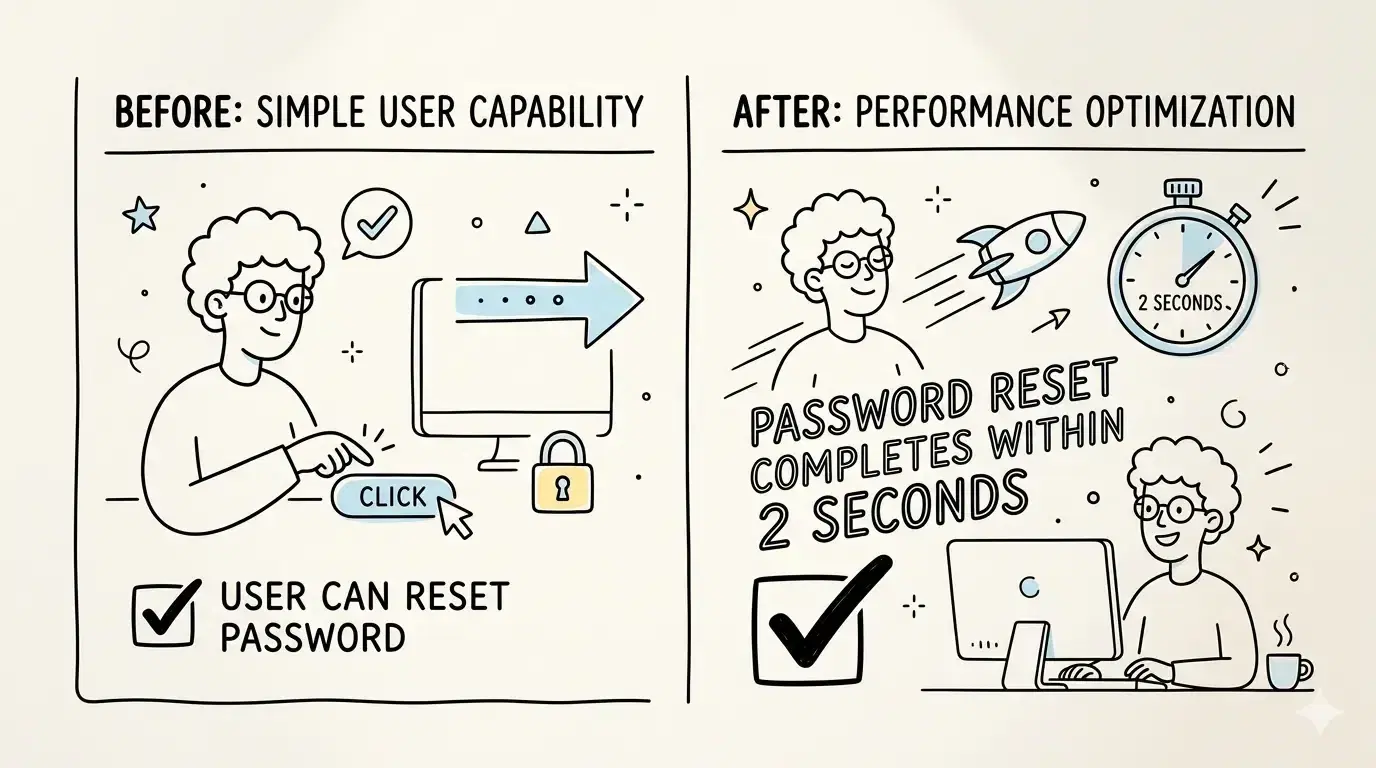
What Is the Difference Between Functional and Non Functional Requirements?
Learn the difference between functional and non functional requirement in simple terms with examples and clear checks so teams can build and test without confusion.
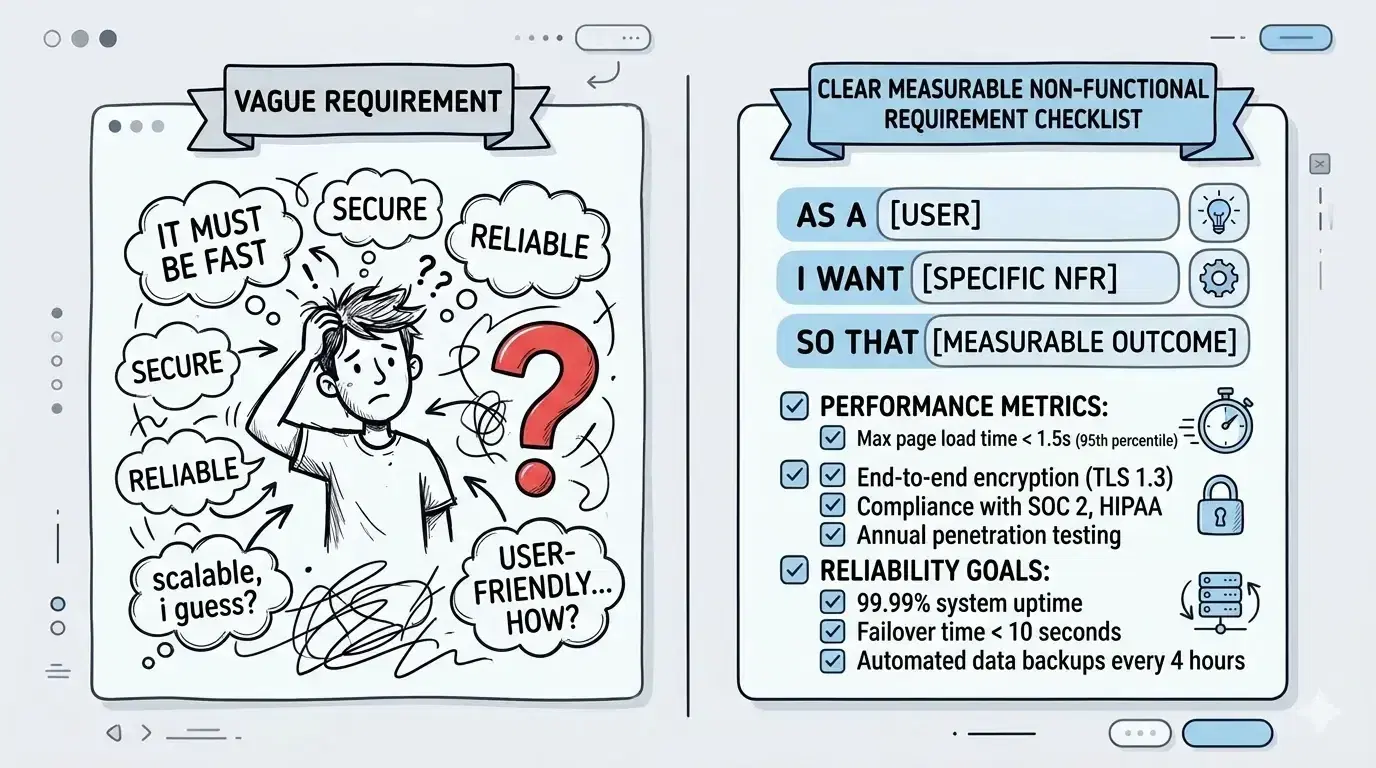
What Is the Definition of Non-Functional Requirements and How to Write Them
Learn the definition of non functional requirements in simple terms and how to write them clearly using measurable checks and real examples.
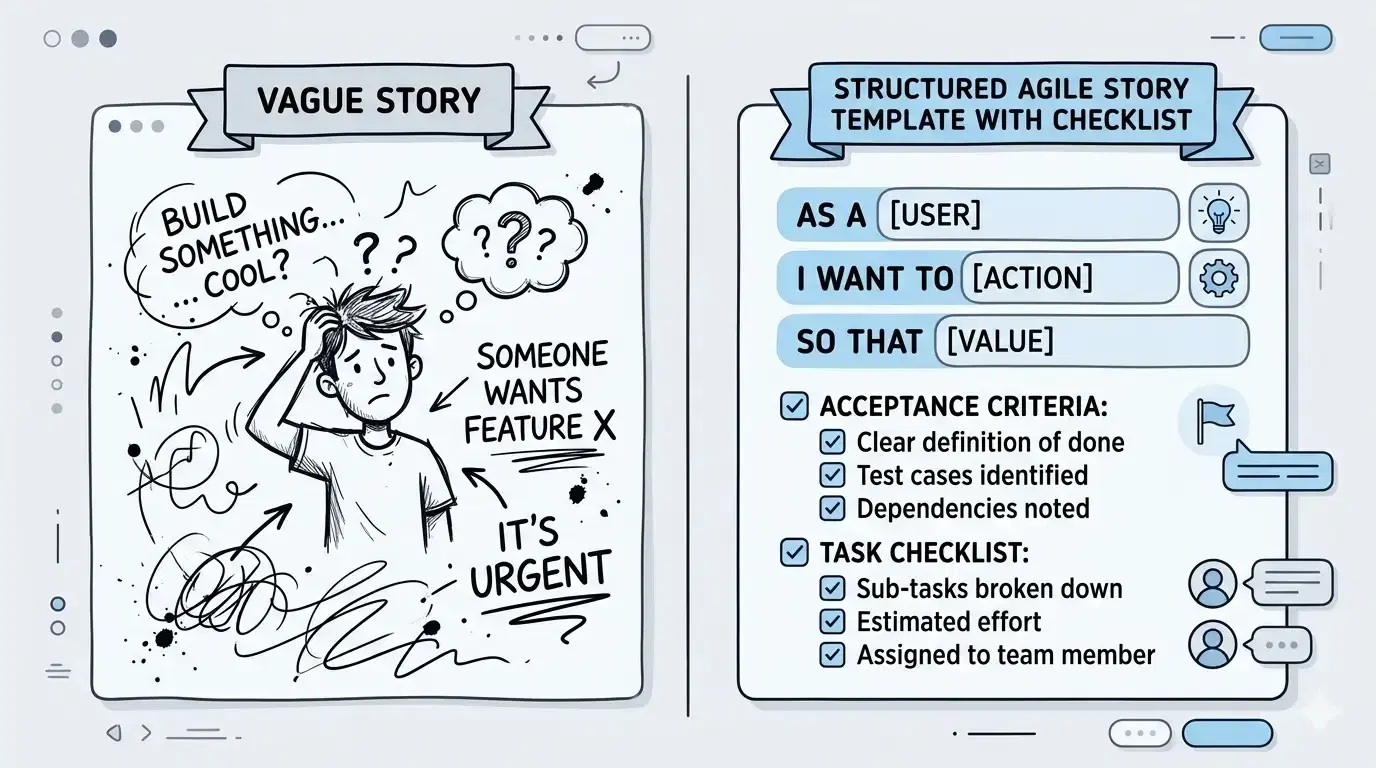
How to Use an Agile Story Template Without Missing Anything Important
Learn how to use an agile story template in a simple way so no important steps are missed and your team builds the right feature without confusion.
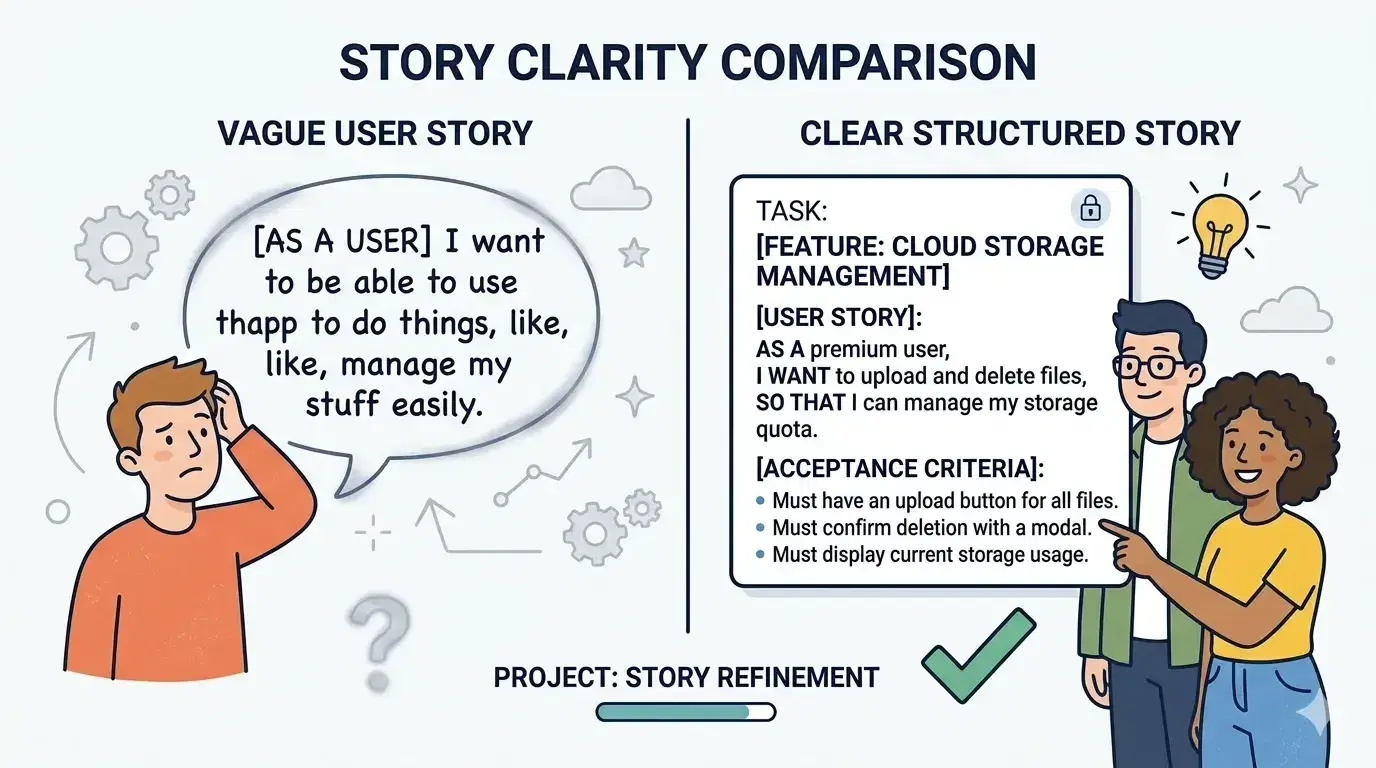
How to Use Agile Story Format Without Confusion
Learn how the agile story format works in simple steps so teams can build the right feature without confusion or hidden work.
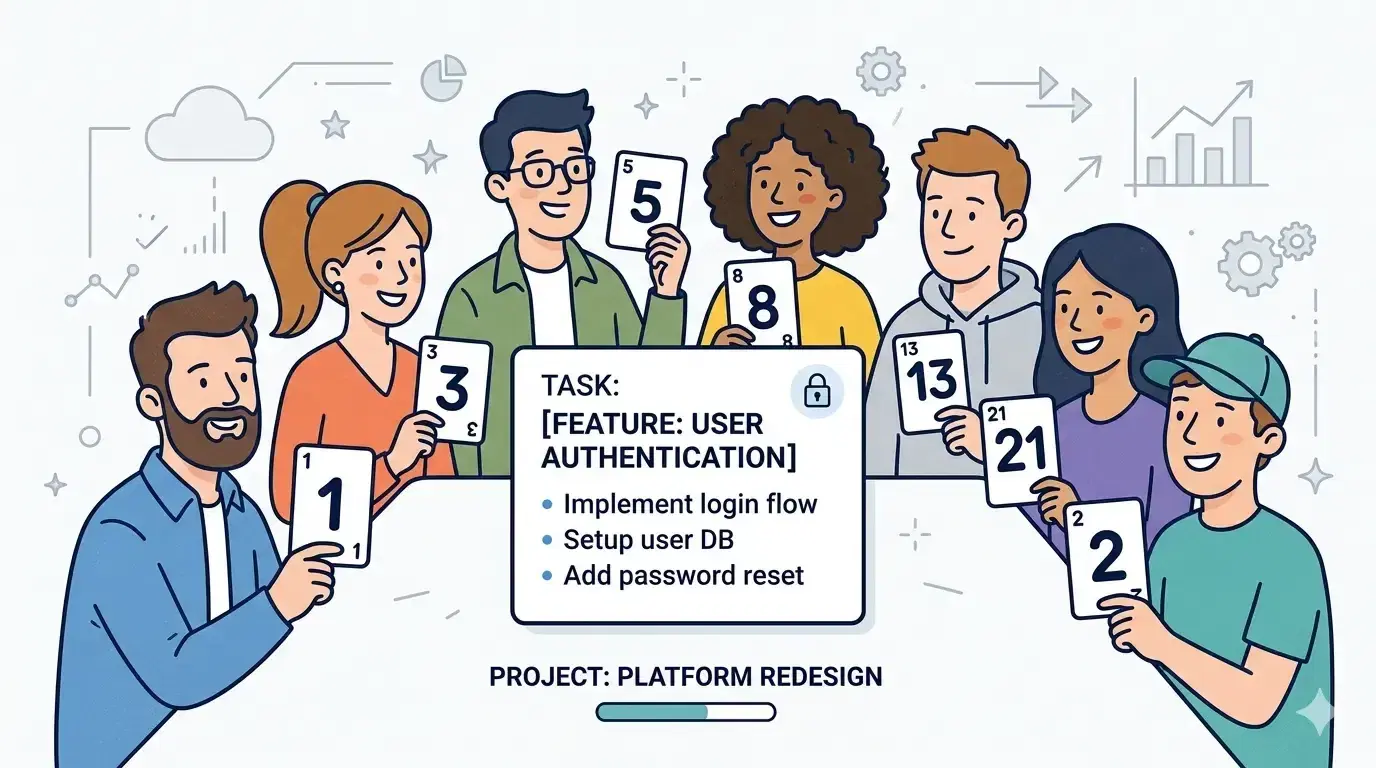
How Planning Poker Story Points Work in a Sprint
Planning poker story points help teams estimate work without guessing time. Learn how the method works and how to use it in a simple way.
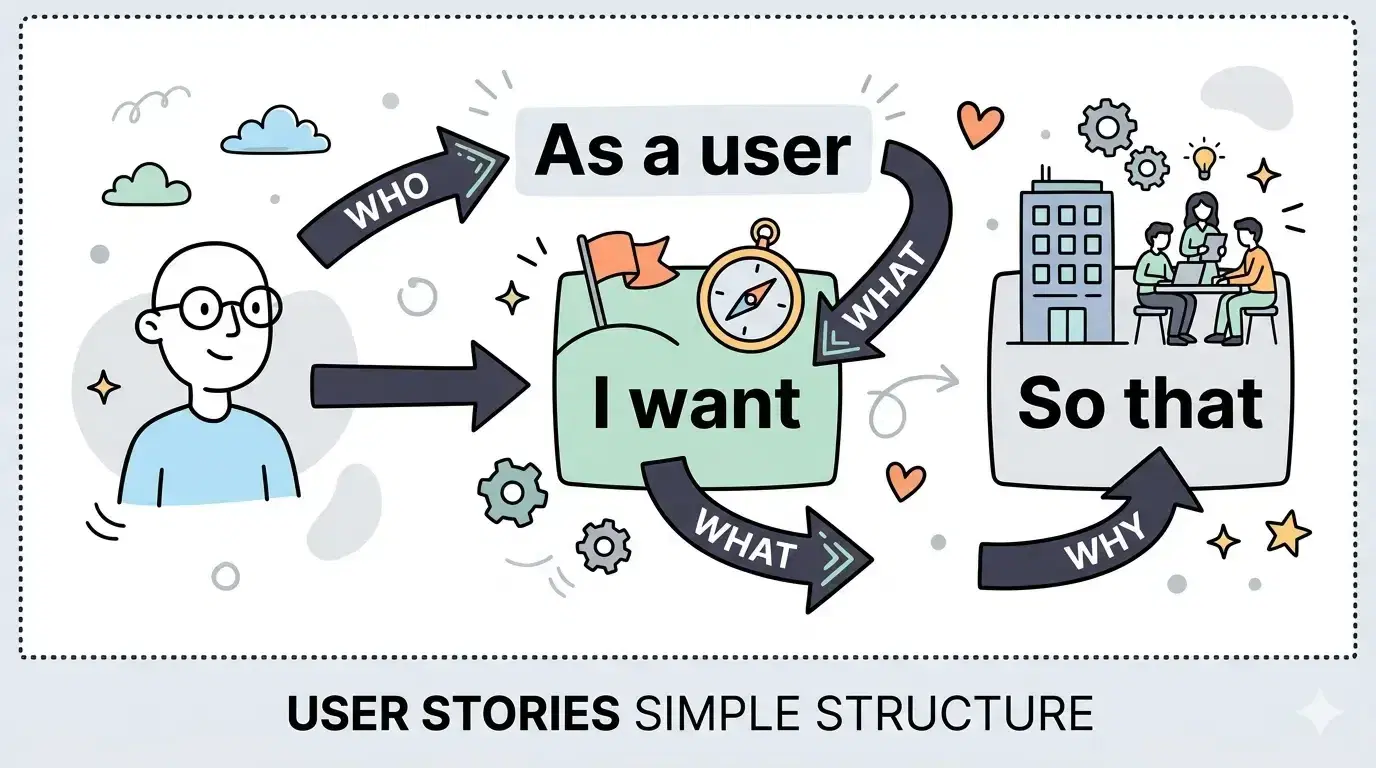
How to Write a Clear User Story So Developers Build the Right Feature
A clear user story helps developers build the right feature. Learn the simple format that explains who needs something, what they want to do, and why it matters.
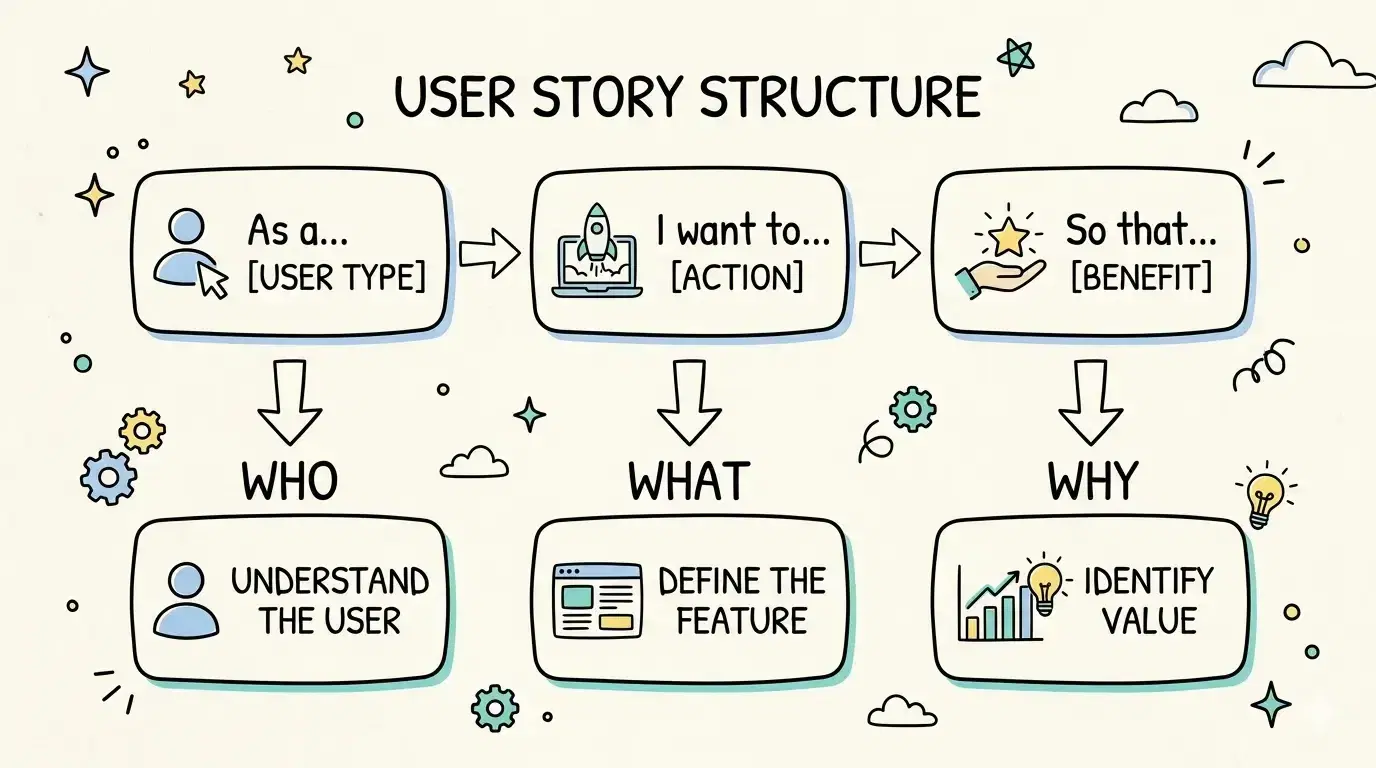
How Teams Write User Stories As a User So Developers Build the Right Thing
Clear user stories help teams build the right product. Learn how user stories as a user explain who needs something, what they need, and why it matters.
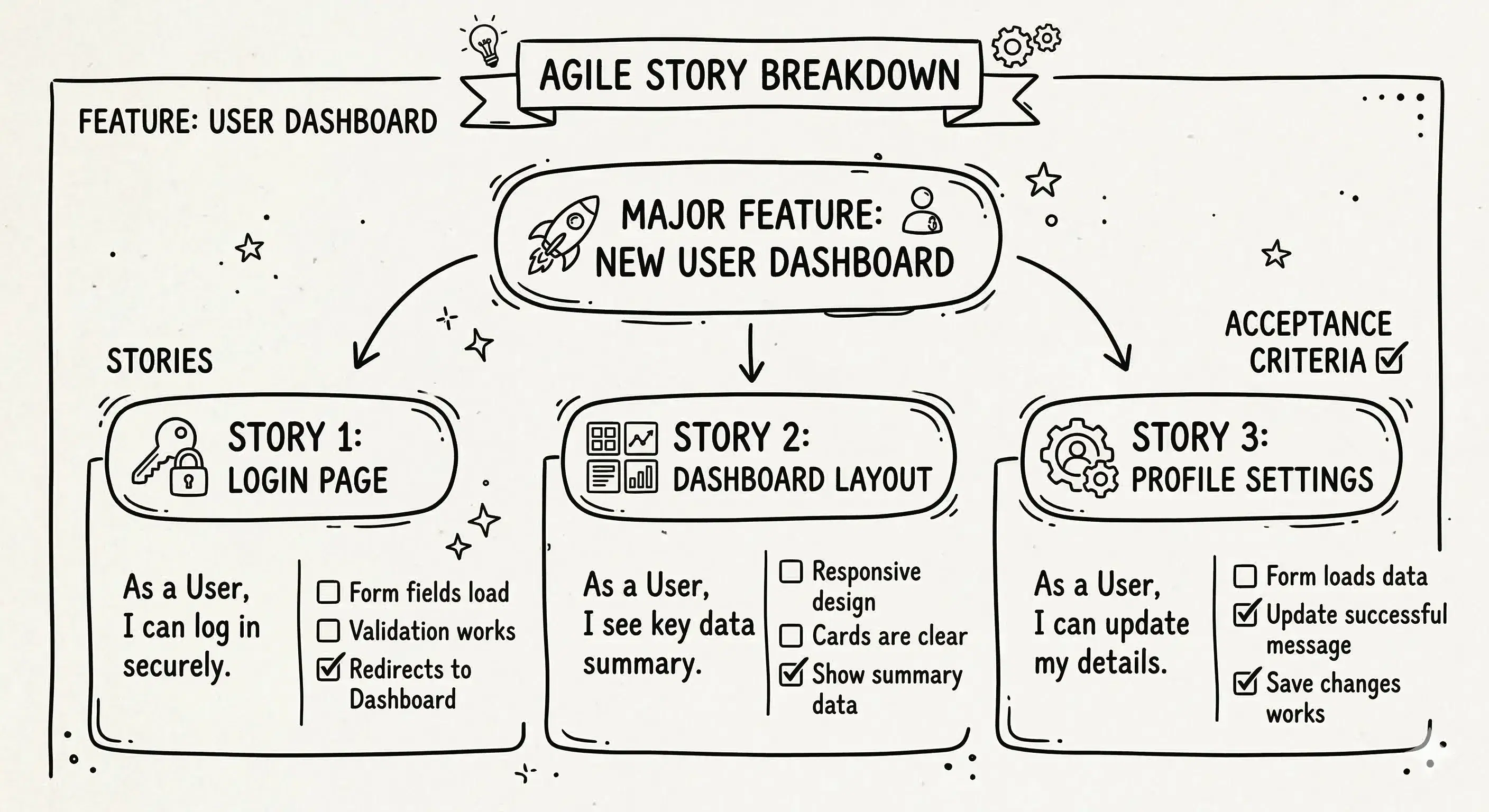
Why Agile Stories Are Important & They Help Teams Build the Right Feature
Agile stories help teams describe the right work in a short and testable way. This guide shows how to write them clearly, check if they are good enough, and split big ideas into smaller work a team can ship.
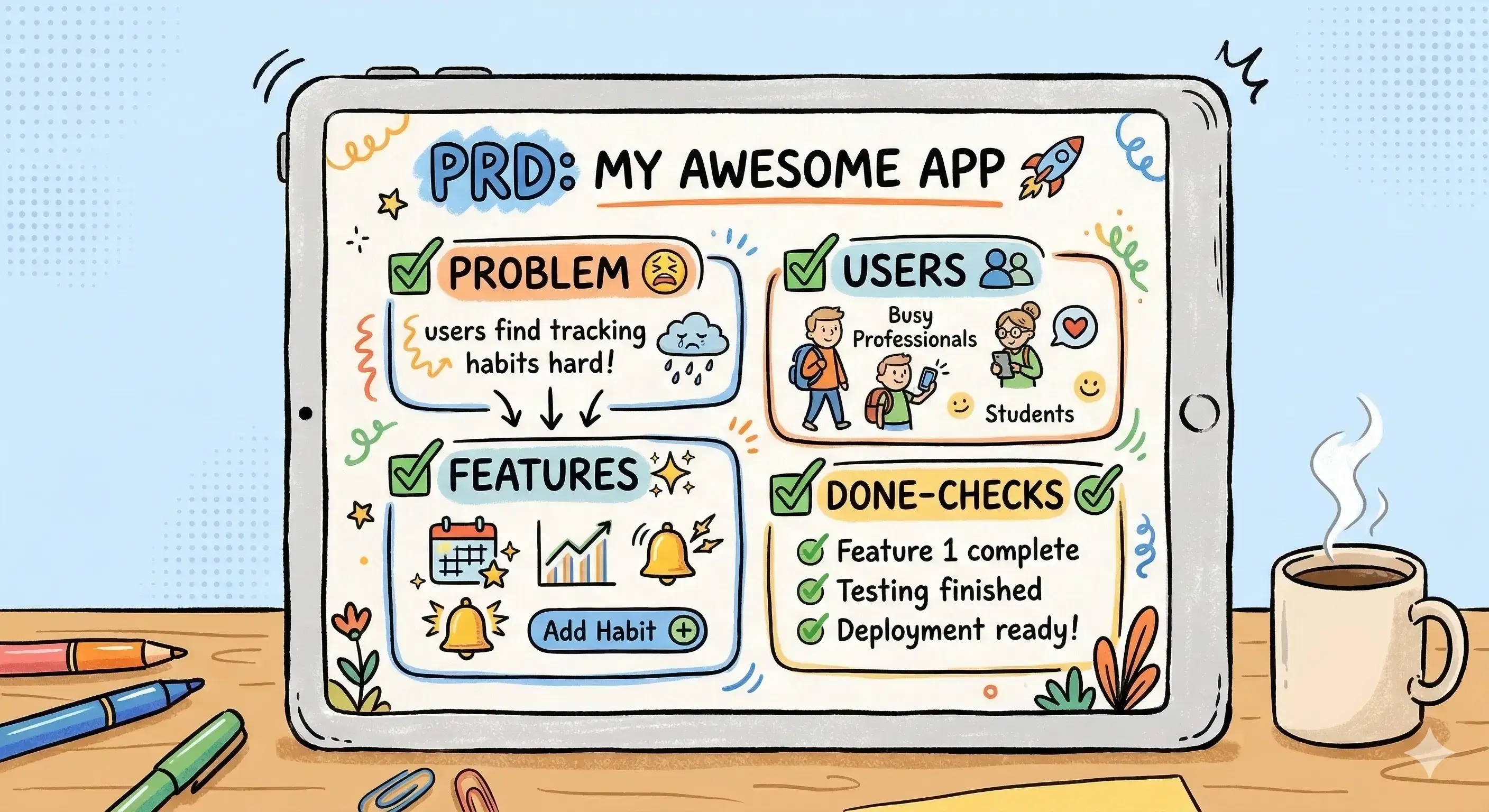
How to Write a Product Requirements Document That Is Clear to Use
A product requirements document explains what needs to be built, why it matters, and how people will know it is done right. This guide breaks the process into simple steps so the document is clear enough for a team to use today.
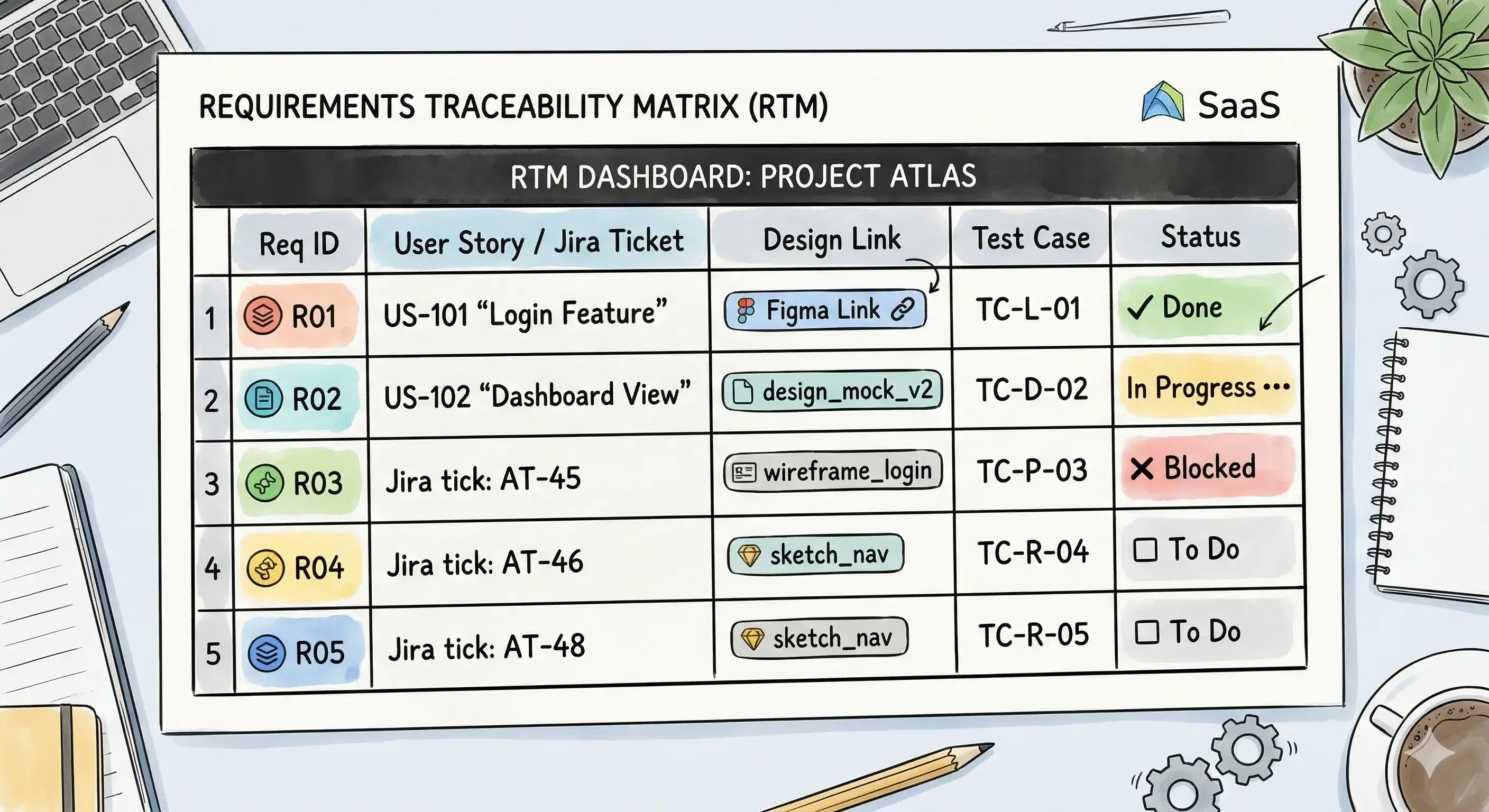
How to Make a Requirements Traceability Matrix That Works
Build a requirements traceability matrix that links each requirement to tests and releases, so scope creep and misses drop today. Save this guide.
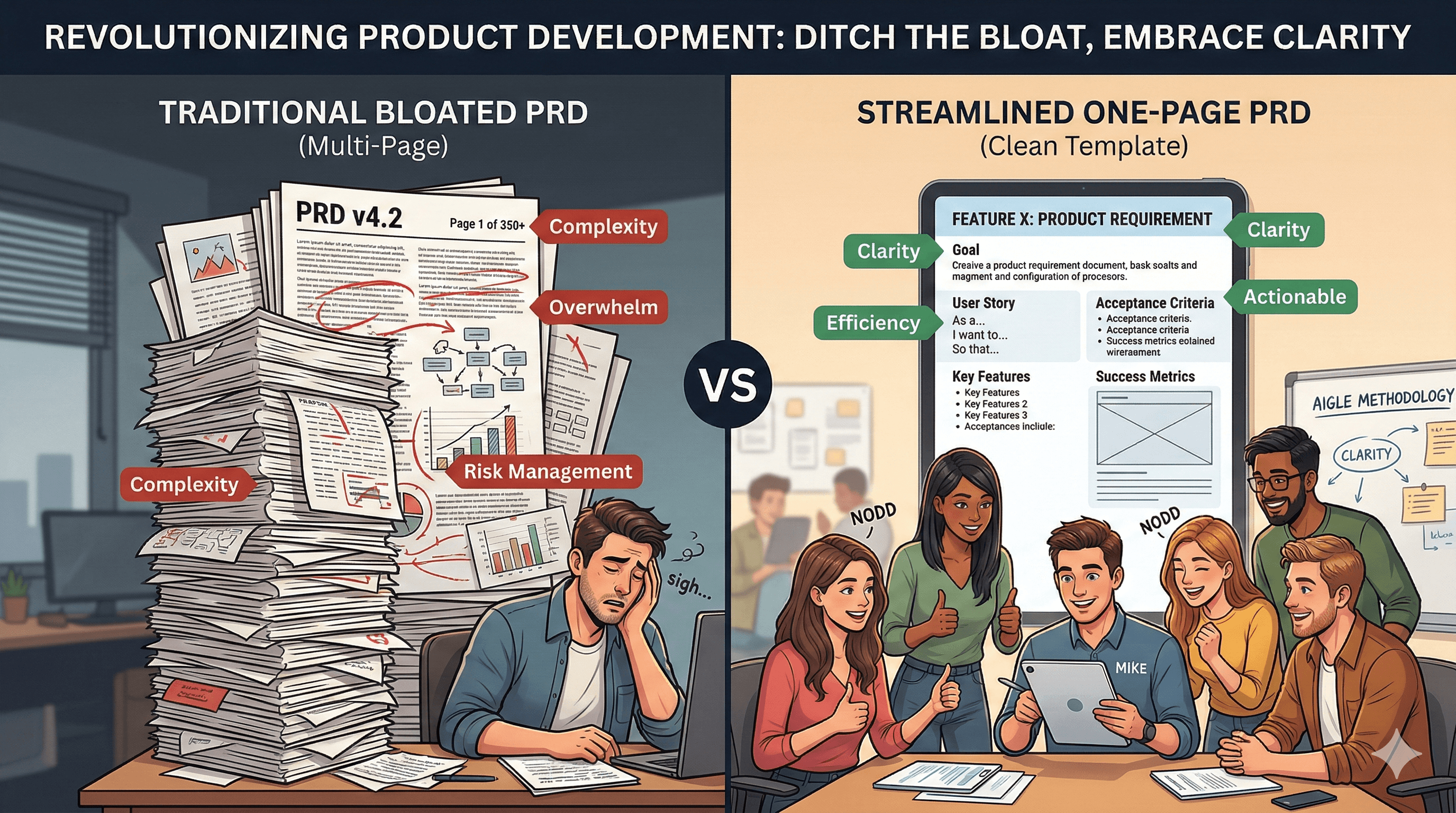
PRD Pre-Flight Checklist
PRD Pre-Flight Checklist - what to clarify so engineering can treat your PRD as source of truth.
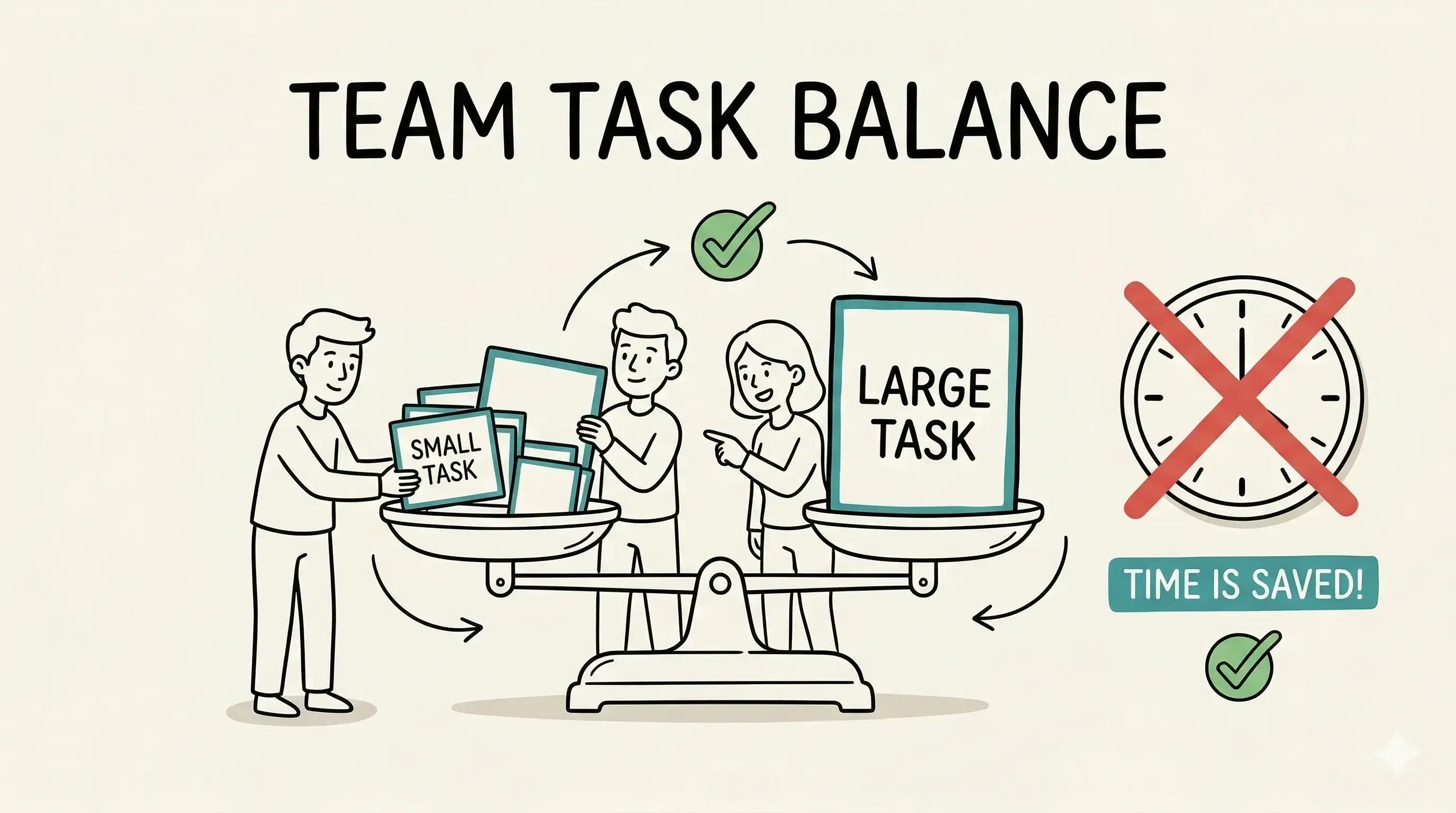
How to Use Story Points Without Confusing Them With Hours
Story points help teams compare work by size and difficulty instead of guessing exact time too early. This guide explains what story points mean, how to estimate with them, and why turning them into hours causes problems.
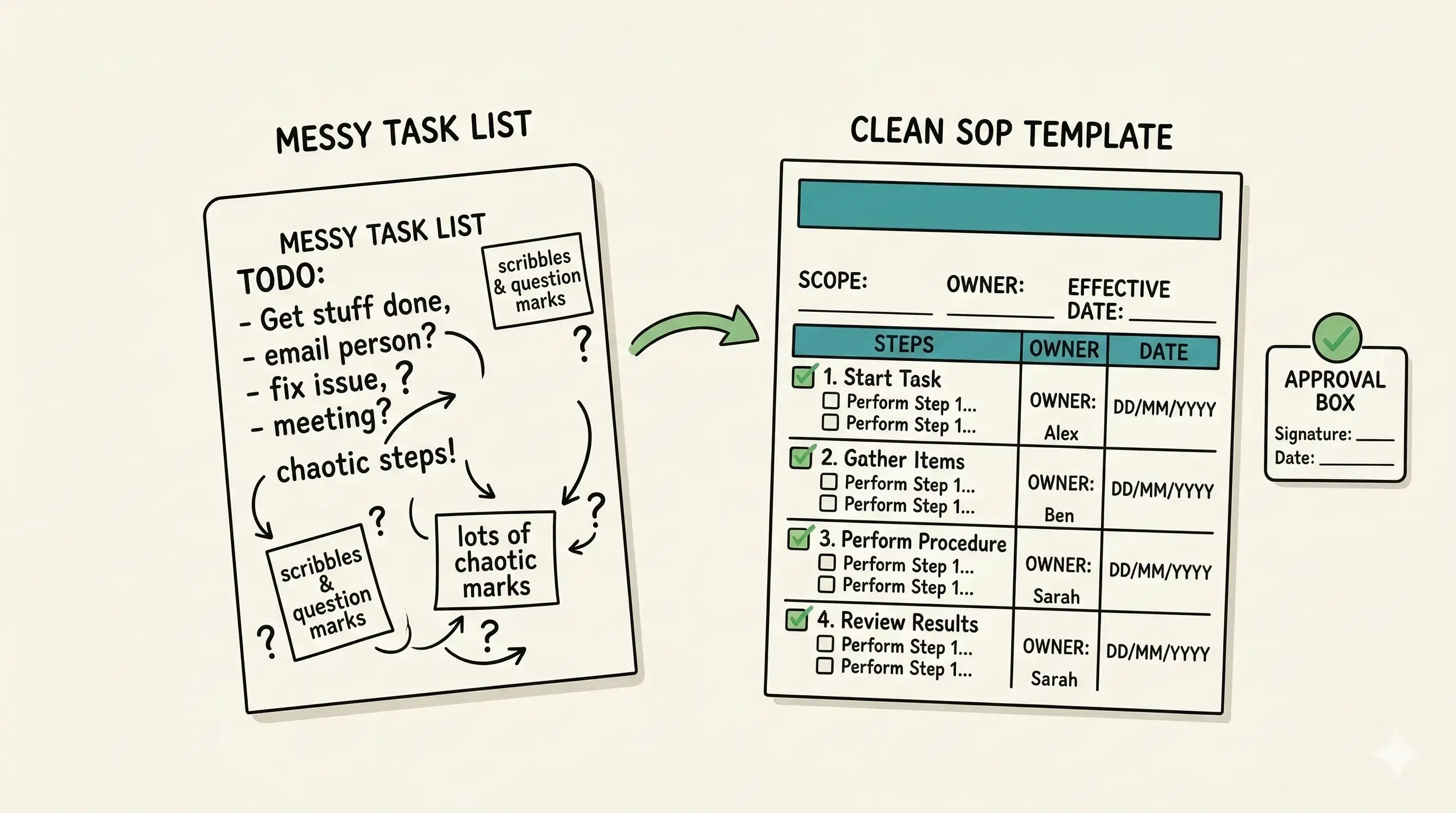
How to Use Standards of Procedure Templates the Right Way
Standards of procedure templates help teams do the same work the same way every time. This guide explains what they are, what to include, which format to use, and how to make one people can actually follow.